
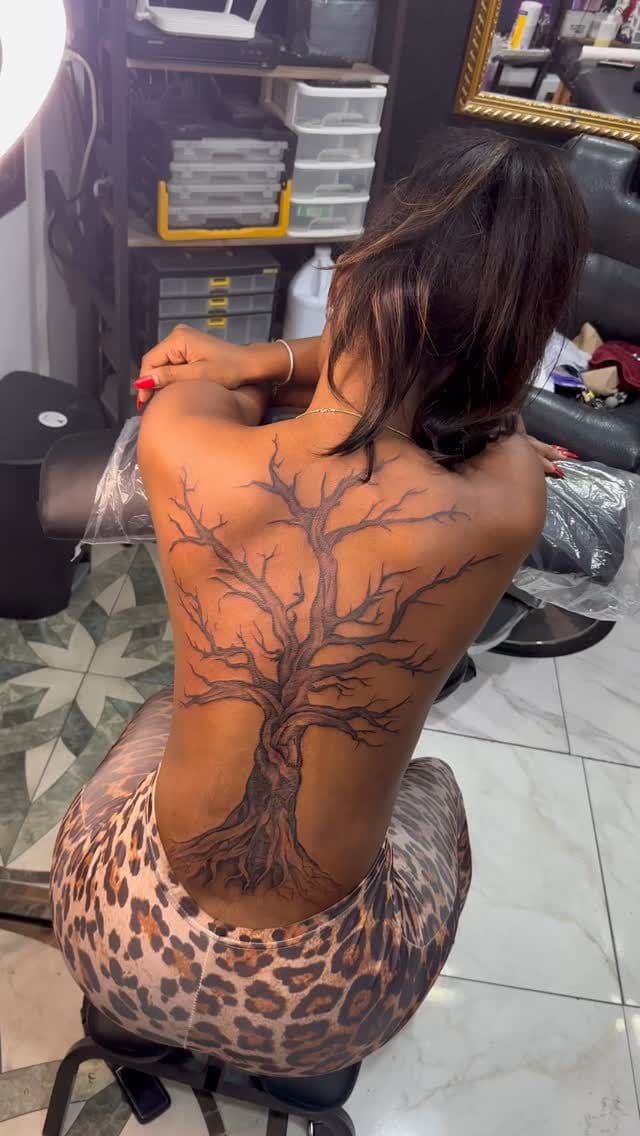
A cover-up is not a tattoo placed on top of another tattoo. It is a new design engineered around an old one, so that the old ink becomes part of the shadows and texture of the new piece. Done well, nobody can find the original. Done badly, you have two tattoos fighting each other. Here is how it is actually planned.
Start with a consultation
At Soulraven every cover-up begins with an in-studio consultation, and for good reason: the existing tattoo decides most of what is possible. Bring a clear photo in daylight, or simply come in. Ricardo needs to see how dark and saturated the old ink is, whether it has blurred, whether there is scarring, and how much healthy skin surrounds it.
Why the new piece is bigger
The new design has to enclose the old one with room to spare, so the eye reads a single composition rather than a patch. As a rule of thumb a cover-up is at least twice the size of what it hides, and often more. If you want something the same size as the old tattoo, you are usually looking at a rework or a blast-over rather than a true cover-up.
Why it is darker
Tattoo ink is not paint. New ink does not sit on top of old ink; it sits in the same layer of skin, and the darker pigment wins. That is why black and grey, deep florals, animals, smoke, feathers and heavy organic shapes cover so well, and why a pale, fine-line design cannot hide anything. The old tattoo is placed where the new design is darkest.
What is hard to cover
- Very dark, solid black areas: these limit the new design to even darker shapes.
- Names and lettering: the straight lines have to be broken up by organic shapes.
- Fresh tattoos: the old piece should be fully healed, ideally several months old.
- Raised scarring from a badly done tattoo, which changes how skin takes ink.
Sometimes a few sessions of laser lightening first will make a far better cover-up possible. If that is the honest answer, you will be told at the consultation.
Sessions and healing
Because the ink goes in darker and denser, larger cover-ups are usually done over two or more sessions, with full healing between them. The studio has documented multi-session cover-ups in the portfolio, and the final result is judged after the last session has healed, not on the day.
Realistic expectations
The best cover-up is a design you actively want, not just a bandage over a regret. Come with subject matter you like and an open mind about size and placement, and the old tattoo can disappear into something you are proud of. See cover-up work in the portfolio, then send a photo of the piece you want gone.
Keep reading
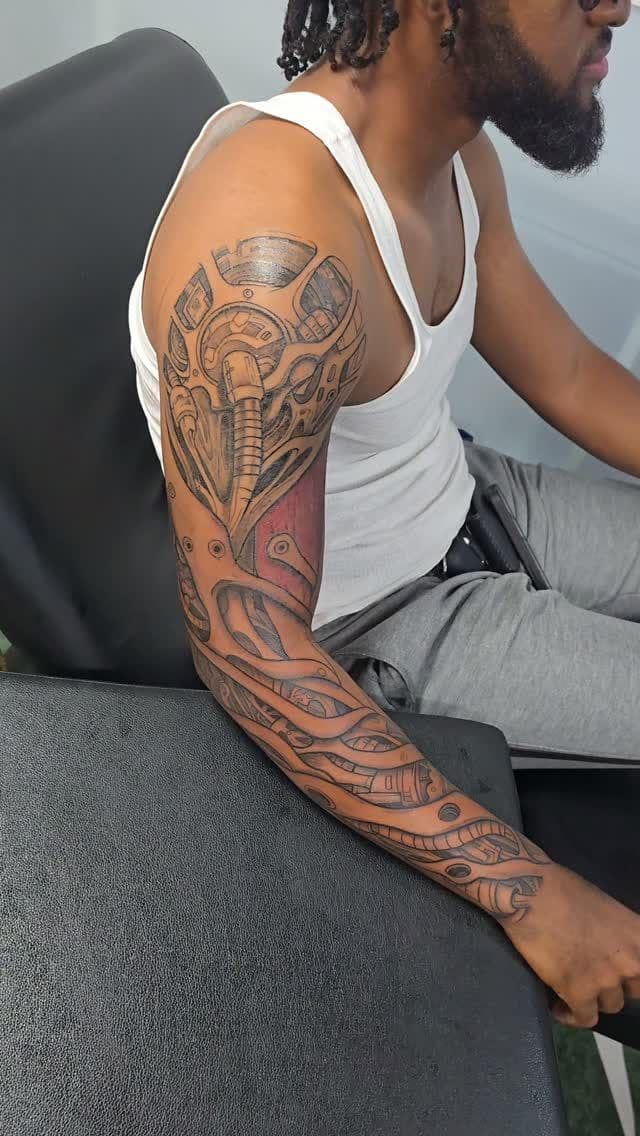
Planning a large tattoo or sleeve
Concept, flow, sessions, budget and patience: how a sleeve, back piece or chest piece is actually planned and built over months.
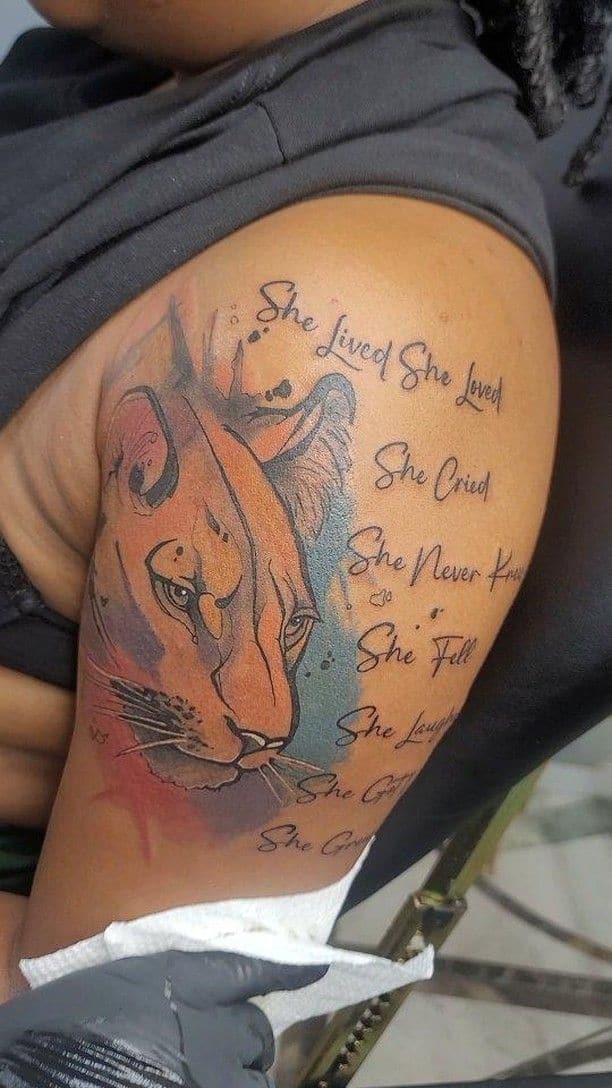
Black and grey vs colour tattoos
How each is made, how each ages in the Caribbean sun, what suits deeper skin tones, and how to choose for your design.
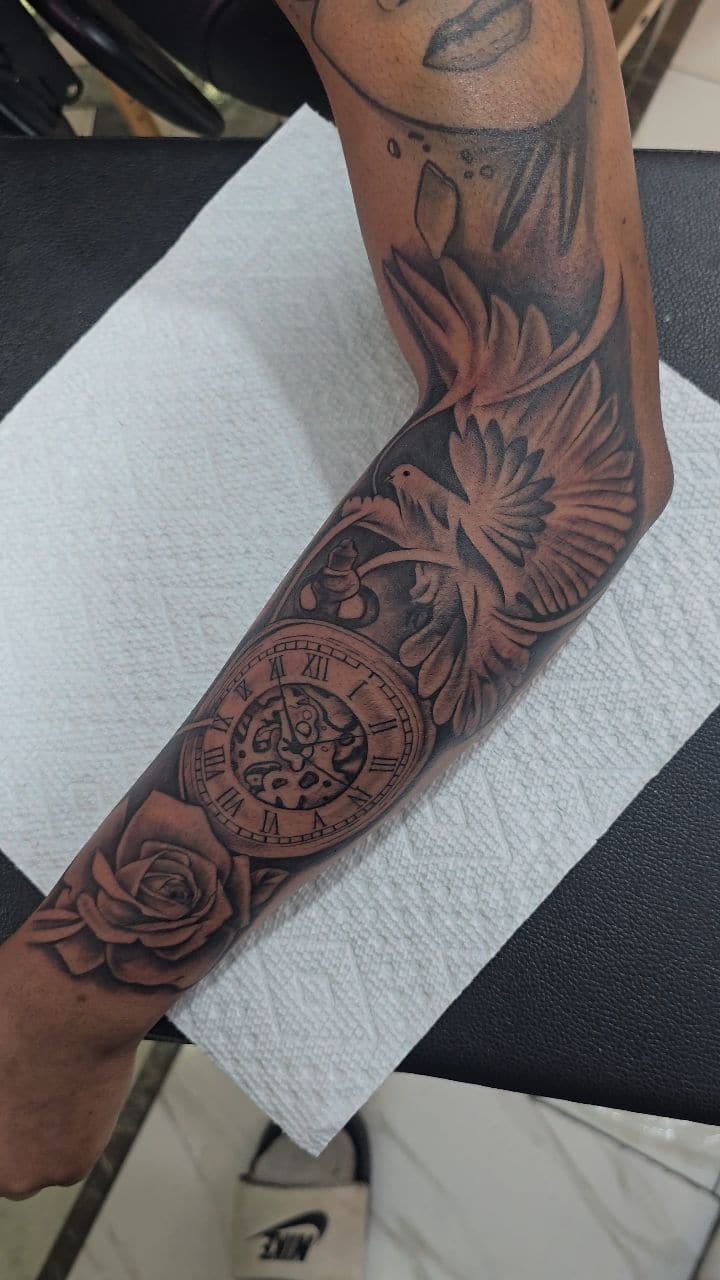
How much do tattoos cost in Jamaica?
The studio’s published ranges by size, what moves a price up or down, how deposits and consultations fit in, and why the cheapest quote is rarely the best value.
Kingston, Jamaica
Have something in mind?
Let’s talk about it. Tell Soulraven the idea, the placement and the size, and send your references in WhatsApp.